Choose the source
You provide an image that may contain a face, private setting, brand asset, artwork, or other identifying detail. Treat the source as sensitive before uploading it.
Safety guide
If you searched is image to image safe reddit, you are probably weighing privacy, copyright, and control. Image To Image explains what the process does, where risk enters, and how to make safer choices.
Clear the noise
Online discussions often mix the image to image process with the policies, models, and websites that host it. These distinctions make safety advice easier to apply.
This guide separates the basic transformation method from the tools and services that implement it.
See which access choices can reduce account sharing and unnecessary personal-data exposure.
Compare the practical trust questions that arise when image processing happens in a browser.
Understand how a hosted workflow differs from running an image model under your own controls.
How it works
Image to image takes an existing visual as guidance and generates a changed visual from it. The safety outcome depends less on the label and more on the input, settings, service, and handling of the result.
You provide an image that may contain a face, private setting, brand asset, artwork, or other identifying detail. Treat the source as sensitive before uploading it.
A prompt, strength setting, mask, or model determines how closely the output follows the source. More guidance can preserve identity and composition, while less guidance can create a looser result.
Check the generated image for copied details, unwanted likeness, exposed information, or misleading edits before downloading, publishing, or sharing it.
Use boundaries
There is no universal safe switch for image to image. A responsible choice comes from matching the material, tool, and intended use to the level of control you need.
Lower-risk image to image use
Your own photo, a licensed asset, or a deliberately generic image
Higher-risk image to image use
Someone else’s private photo or an image with unclear ownership
Lower-risk image to image use
No readable names, addresses, documents, faces, or private screens
Higher-risk image to image use
Identity details, IDs, medical information, home interiors, or confidential work
Lower-risk image to image use
Everyone shown has agreed to the intended transformation
Higher-risk image to image use
A real person is altered or portrayed without permission
Lower-risk image to image use
A service with clear retention, deletion, and training terms
Higher-risk image to image use
An unknown tool with vague storage, reuse, or model-training policies
Lower-risk image to image use
Private ideation, mockups, or non-deceptive creative experiments
Higher-risk image to image use
Impersonation, fraud, harassment, or a claim that the edit is authentic
Lower-risk image to image use
You inspect the output and remove sensitive metadata before sharing
Higher-risk image to image use
The result is posted automatically without checking its likeness or hidden details
Practical choices
Skip image to image when the possible benefit is small but the privacy, consent, or ownership cost is difficult to reverse.
You want to restyle a child’s photo or a family scene using an unfamiliar online service.
Keep the original local or use a tool with clear handling terms; a public upload is rarely necessary for a simple experiment.
image to image ai free no sign upA product sketch, client document, unreleased design, or internal screenshot contains information that should not leave your workspace.
Do not send it to a hosted image to image service unless your organization has approved the workflow and its data terms.
image to image stable diffusionYou plan to change a recognizable person’s clothing, setting, expression, or apparent actions.
Get explicit consent and avoid deceptive presentation; creative control does not remove the person’s privacy or dignity interests.
image to image ai realisticYou found an illustration online and want to create variations without knowing the creator’s license.
Use your own or licensed source material, or ask for permission before distributing the transformed result.
image to image examples onlineA simple check
These three checks describe the minimum review before an image to image upload or public release. They are decision points, not promises that every service handles data the same way.
Review the result
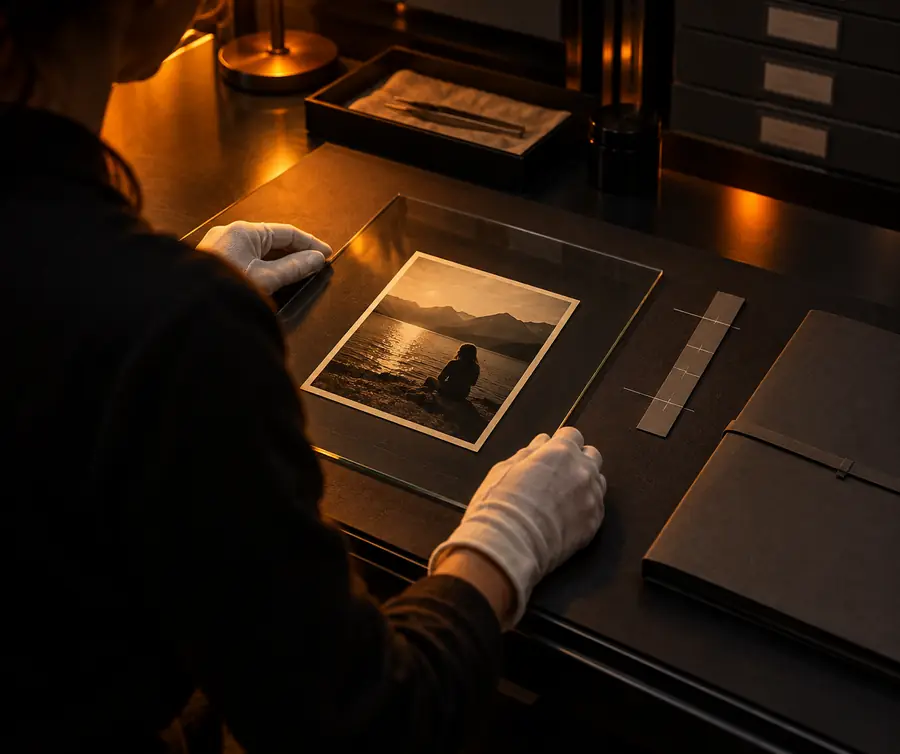

The visual change is not the safety check. Review the source, tool terms, and final image before sharing.
Make an informed choice
Image to image can be a useful creative method when you control the source, understand the service, respect consent and ownership, and inspect the result. If any of those conditions are unclear, choose a less sensitive input or keep the work offline.
Common questions
The safest answer depends on what you upload, where it is processed, and what you do with the output. These questions address the concerns most often raised in discussions about image to image safety.
It can be, but only when the service has trustworthy privacy terms and the people shown have agreed to the use. Avoid uploading faces, documents, home details, or other sensitive material when the provider’s retention and training practices are unclear.
Yes. The source may contain readable text, location clues, screens, faces, or metadata, and the generated result may preserve or reinterpret some of those details. Crop, blur, or replace sensitive content before using an online image to image workflow.
Safety and copyright are separate questions. You should have permission or a suitable license for the source, and you should check whether the intended transformation and distribution are allowed before publishing the result.
Only with care and appropriate consent. Altering a recognizable person can create privacy, harassment, or impersonation concerns, especially when the result could mislead viewers about what the person did or looked like.
Look for clear information about storage, deletion, model training, access controls, and permitted content. Also confirm that the service fits your purpose and that you can review or remove the result before it is shared.